Oil-Color
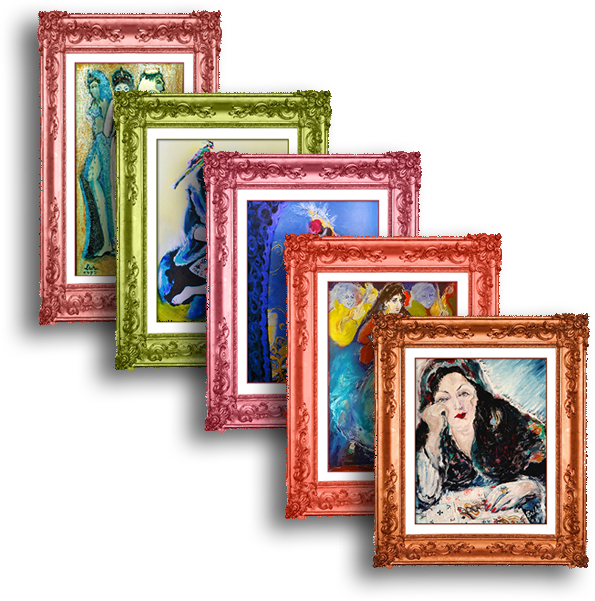
Oil painting is the process of painting with pigments with a medium of drying oil as the binder. Commonly used drying oils include linseed oil, poppy seed oil, walnut oil, and safflower oil. The choice of oil imparts a range of properties to the oil paint, such as the amount of yellowing or drying time. Certain differences, depending on the oil, are also visible in the sheen of the paints. An artist might use several different oils in the same painting depending on specific pigments and effects desired. The paints themselves also develop a particular consistency depending on the medium. The oil may be boiled with a resin, such as pine resin or frankincense, to create a varnish prized for its body and gloss.
Although oil paint was first used for Buddhist paintings by Indian and Chinese painters in western Afghanistan sometime between the fifth and tenth centuries,[1] it did not gain popularity until the 15th century. Its practice may have migrated westward during the Middle Ages. Oil paint eventually became the principal medium used for creating artworks as its advantages became widely known. The transition began with Early Netherlandish painting in Northern Europe, and by the height of the Renaissance oil painting techniques had almost completely replaced the use of tempera paints in the majority of Europe.
View Products
Water-Color
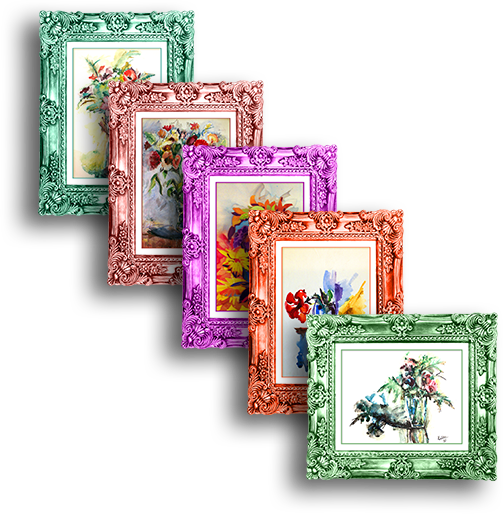
Watercolor (American English) or watercolour (British English; see spelling differences), also aquarelle (French, diminutive of Latin aqua "water"), is a painting method in which the paints are made of pigments suspended in a water-based solution. Watercolor refers to both the medium and the resulting artwork. Aquarelles painted with water-soluble colored ink instead of modern water colors are called "aquarellum atramento" (Latin for "aquarelle made with ink") by experts. However, this term has been more and more passing out of use.[1][2]
The traditional and most common support—material to which the paint is applied—for watercolor paintings is paper. Other supports include papyrus, bark papers, plastics, vellum, leather, fabric, wood and canvas. Watercolor paper is often made entirely or partially with cotton, which gives a good texture and minimizes distortion when wet.[3] Watercolors are usually translucent, and appear luminous because the pigments are laid down in a pure form with few fillers obscuring the pigment colors. Watercolors can also be made opaque by adding Chinese white.
In East Asia, watercolor painting with inks is referred to as brush painting or scroll painting. In Chinese, Korean and Japanese painting it has been the dominant medium, often in monochrome black or browns. India, Ethiopia and other countries have long watercolor painting traditions as well.
View Products
Acrylic-Color
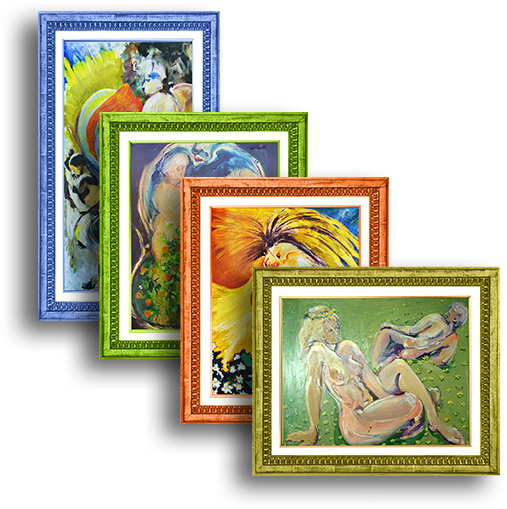
Acrylic painting techniques are different styles of manipulating and working with polymer-based acrylic paints. Acrylics differ from oil paints in that they have shorter drying times (as little as 10 minutes) and are soluble in water. These types of paint eliminate the need for turpentine and gesso, and can be applied directly onto canvas. Aside from painting with concentrated color paints, acrylics can also be watered down to a consistency that can be poured or used for glazes.
Acrylics are often preferred because they dry faster on canvas than oil paints due to their polymer base. However, in some circumstances, the artist may want the paint to stay moist longer. A trick to keep paints from drying out is to spray a light mist of water over them occasionally.[1] Moisture-retaining palettes also increase acrylic paint drying time, and can be substituted with a shallow container, a sheet of grease proof paper, or piece of wet watercolor paper.
View Products